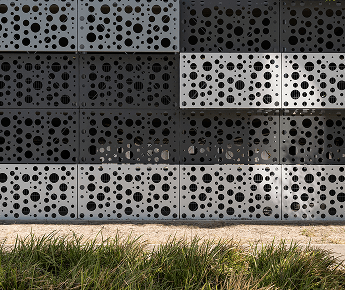
Choosing the right exterior system is one of the most important decisions when designing or renovating a building. The façade impacts aesthetics, efficiency, maintenance, and long-term value. In this article, we compare modern metal facades with traditional cladding materials like stucco, wood, fiber cement, and brick to help you decide what’s best for your commercial or residential project.
Table of Contents
1. Cost Comparison
Metal Facades
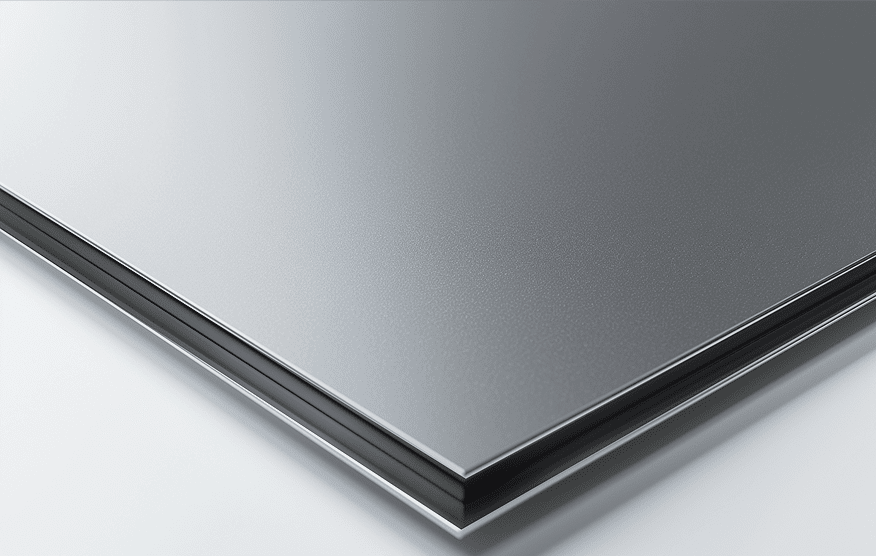
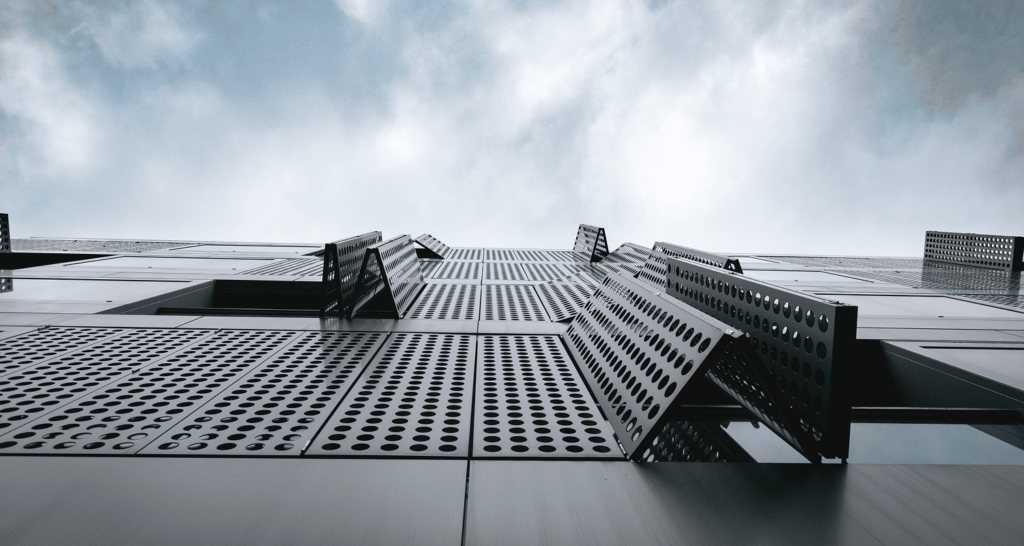
Metal systems such as aluminum panels, architectural fins, and perforated screens typically have a higher upfront cost due to fabrication and engineering. However, metal’s lifecycle cost is significantly lower because of:
- Minimal maintenance
- Superior durability
- Quick installation
- Reduced repair frequency
Traditional Cladding
Materials like stucco, wood, or fiber cement may appear cost-effective at installation but often require:
- Frequent repainting
- Crack repairs
- Moisture mitigation
- Higher labor costs over time
Result: Metal costs more upfront but saves more over 20–40 years.
2. Performance & Durability
Metal Facades
Architectural metal is engineered to withstand extreme environments. Benefits include:
- Fire resistance
- UV stability
- Corrosion protection (marine-grade options available)
- Impact resistance
- Non-porous surfaces that prevent mold
Futura USA’s systems use premium finishes like Kynar 500 and anodized aluminum for decades of performance.
Traditional Cladding
Most traditional cladding materials degrade faster:
- Stucco cracks and absorbs water
- Wood rots or warps
- Fiber cement chips
- Brick requires tuckpointing over time
Result: Metal greatly outperforms traditional materials under real-world conditions.
3. Longevity & Maintenance
Metal Facades
Architectural metal systems can last 40–60+ years with minimal upkeep. Maintenance typically involves:
- Periodic washing
- Hardware inspection
- Protective finish reapplication only every 20–30 years
Traditional Cladding
Life expectancy varies widely:
- Stucco: 15–25 years
- Wood siding: 10–20 years
- Fiber cement: 20–30 years (but needs repainting every 7–10 years)
Cracking, moisture absorption, and repainting drastically reduce longevity.
Result: Metal lasts 2–3 times longer with far less maintenance.
4. Aesthetic Value & Modern Appeal
Metal facades offer unmatched creative expression:
- Clean contemporary lines
- Perforated patterns
- 3D textures
- Architectural fins & shading
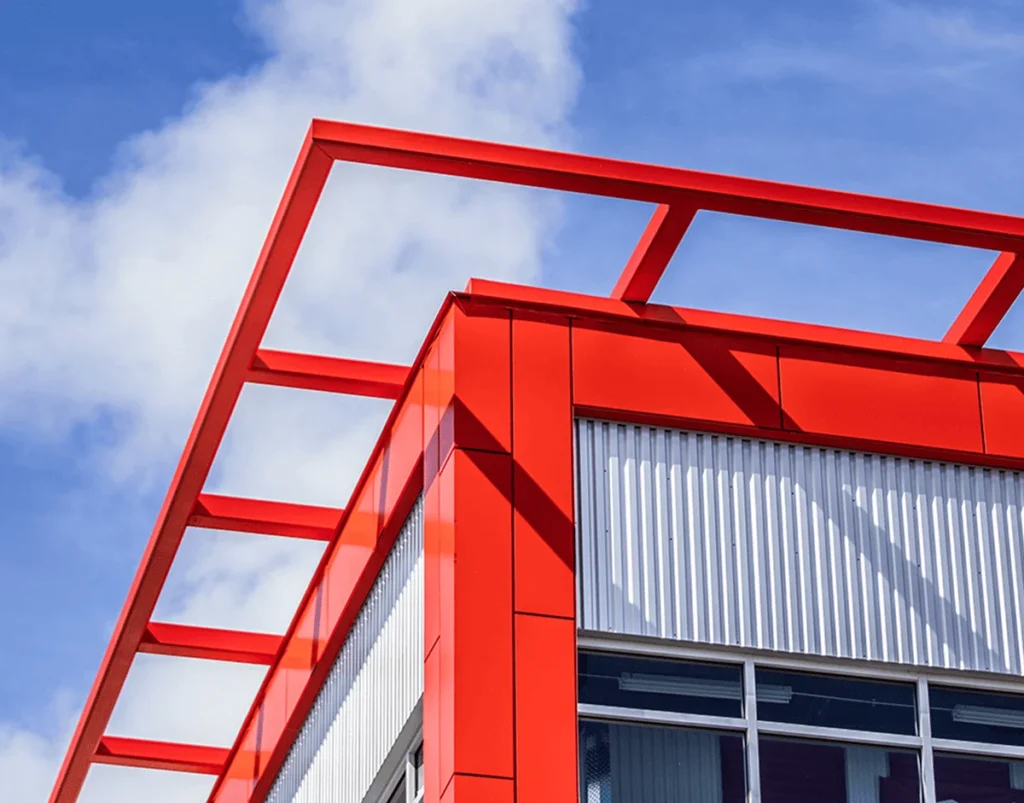
- Custom colors & anodized finishes
This is why metal is the top choice for modern developers, architects, and luxury residential projects.
5. Sustainability & Energy Efficiency
Metal systems contribute to sustainability through:
- 100% recyclability
- Reduced maintenance waste
- Improved solar shading performance
- Energy-efficient assemblies
When paired with architectural fins and passive cooling strategies, buildings significantly reduce heat gain.
Final Verdict: Metal Facades Win for Commercial & High-End Projects
If your priority is modern aesthetics, superior performance, long-term value, and lower maintenance, metal facades outperform traditional cladding in every category. For commercial buildings, luxury homes, and architectural projects demanding long-term durability, metal is the clear winner. Learn More.
FAQs
Are metal facades more expensive than traditional cladding?
Yes, metal facades usually cost more upfront, but their lower maintenance and longer lifespan make them more cost-effective long-term. See metal façade options.
How long do metal facades last compared to stucco or wood?
Metal facades can last 40–60+ years, while stucco, wood, and fiber cement typically last 10–30 years with frequent repairs. Metal clearly offers longer durability.
Do metal facades help with energy efficiency?
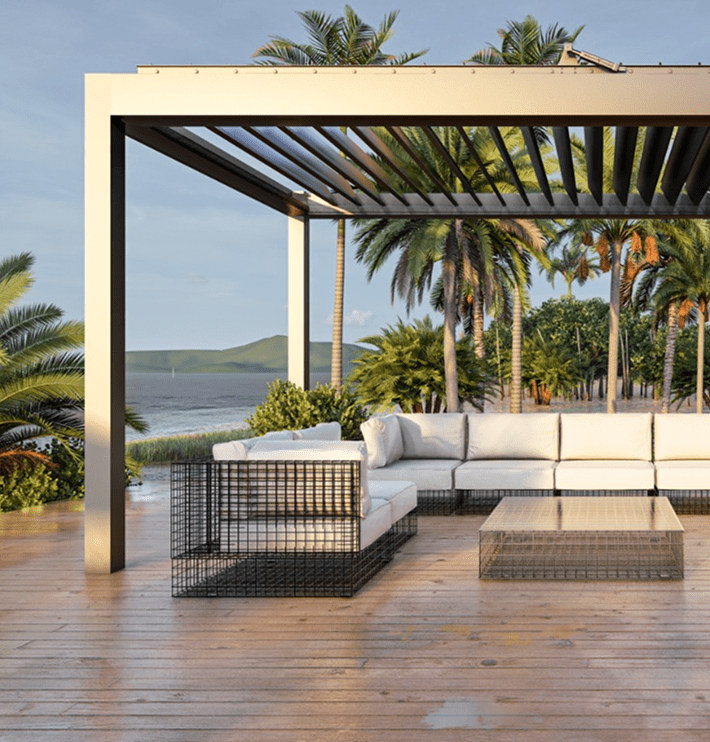
Absolutely metal systems paired with shading fins or canopies reduce solar heat gain, lower cooling costs, and improve building comfort. Explore shading systems:
Is metal cladding better for commercial buildings?
Yes. Metal is ideal for commercial properties because it provides better performance, longevity, and modern aesthetics while reducing long-term operating costs.
What maintenance do metal facades require?
Metal facades require minimal maintenance typically cleaning and hardware checks. Protective coatings last decades without repainting or patching.