

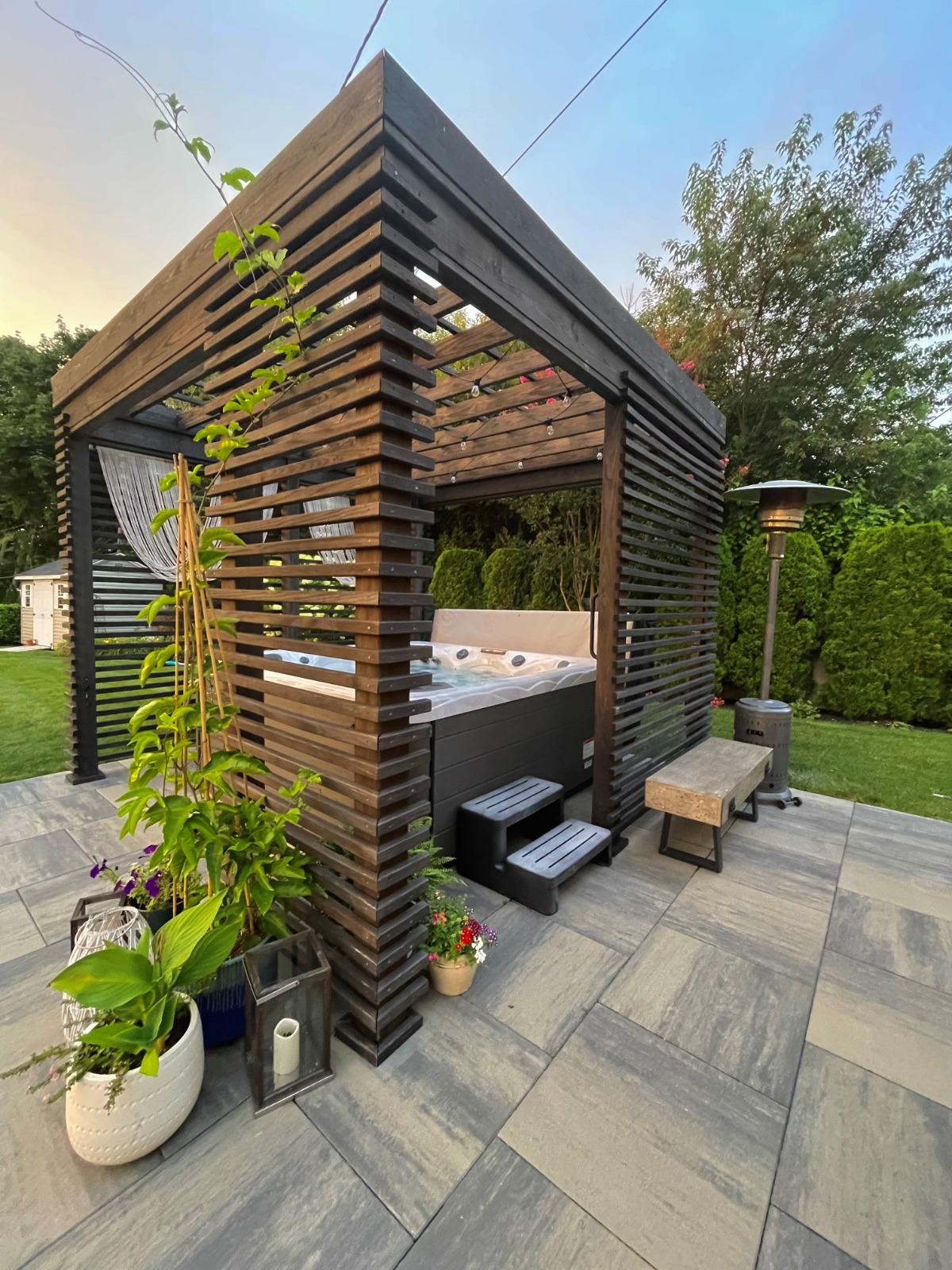
In today’s world of contemporary design, architects and designers are constantly looking for materials that blend aesthetics, functionality, and sustainability. Among the many innovations shaping the built environment, perforated metal panels have emerged as one of the most popular trends in modern architecture.
From sleek commercial façades to artistic interior walls, perforated metal has become a symbol of modernity, versatility, and environmental consciousness. But what exactly makes these panels so appealing? Let’s explore why perforated metal panels are transforming the look and performance of modern buildings.
Table of Contents
1. A Perfect Blend of Aesthetics and Functionality
One of the primary reasons perforated metal panels are trending is their ability to combine visual appeal with practical performance. The distinctive patterns, shapes, and finishes of perforated sheets allow architects to create unique design identities for buildings while maintaining structural integrity.
Whether used as façade cladding, sunshades, ceilings, or decorative partitions, these panels add a contemporary, dynamic look that elevates any space. The perforations also allow for creative lighting effects, enabling designers to play with shadows and transparency.
2. Enhanced Energy Efficiency and Sustainability
Sustainability is at the heart of modern architecture, and perforated metal panels contribute significantly to energy-efficient design. By filtering natural light and regulating airflow, these panels reduce the need for artificial lighting and cooling systems, ultimately lowering energy consumption.
Moreover, perforated metal is typically made from recyclable materials such as aluminum, steel, or copper, making it an eco-friendly choice for green building projects. Their durability also means fewer replacements over time reducing waste and long-term maintenance costs.
3. Superior Ventilation and Sun Control
Perforated metal panels are an excellent solution for balancing natural light and ventilation. The customizable hole sizes and patterns can be tailored to provide optimal shading, minimizing heat gain while still allowing for airflow.
This makes them ideal for building façades, parking structures, and screen walls where temperature regulation and privacy are crucial. The result is comfortable interior spaces and lower energy bills, without compromising aesthetics.
4. Durability and Low Maintenance
In addition to their beauty and functionality, perforated metal panels are known for their strength and longevity. Unlike other architectural materials that fade or deteriorate over time, metal panels resist corrosion, weather, and UV damage.
Their powder-coated or anodized finishes ensure long-lasting performance even in harsh environments, and their low-maintenance nature makes them a practical choice for both interior and exterior applications.
5. Endless Design Flexibility
One of the most exciting aspects of perforated metal panels is their design versatility. Modern manufacturing techniques allow for custom perforation patterns, sizes, and shapes, giving architects total creative freedom.
From geometric patterns and abstract art to branding elements or custom graphics, perforated panels can be personalized to reflect the identity of a building or brand. This flexibility makes them suitable for residential, commercial, and industrial architecture alike.
6. Acoustic Performance and Comfort
Perforated metal panels aren’t just visually appealing they also help improve acoustic performance. When used with acoustic insulation materials, they can absorb and diffuse sound, reducing noise levels in large open areas such as offices, airports, auditoriums, and shopping malls.
This combination of sound control and style enhances occupant comfort and creates a more pleasant environment.
7. A Modern Symbol of Innovation
In essence, perforated metal panels represent innovation and progress in architecture. They reflect the movement toward intelligent, sustainable, and adaptable building materials that meet the demands of modern design and environmental responsibility.
Their ability to integrate art, technology, and performance makes them a preferred choice for architects who want to push the boundaries of creativity.
Conclusion
As architecture continues to evolve, perforated metal panels will remain a key material in modern design. Their balance of form and function, coupled with eco-friendly properties and limitless customization, makes them a top choice for the next generation of sustainable buildings.
Whether you’re designing a commercial skyscraper, cultural center, or residential complex, incorporating perforated metal panels can elevate your project to a new level of style, efficiency, and innovation. Learn More.
FAQs
What are perforated metal panels?
Perforated metal panels are sheets of metal that have been punched or laser-cut with holes or patterns. They are used in modern architecture for façades, ceilings, screens, and decorative features, offering a balance of aesthetics, ventilation, and durability.
Why are perforated metal panels popular in modern architecture?
Perforated metal panels are trending because they combine style, sustainability, and functionality. They provide sun control, airflow, acoustic performance, and energy efficiency while allowing architects to create visually striking designs.
Are perforated metal panels energy-efficient?
Yes. By allowing natural light and airflow while reducing heat gain, perforated metal panels help lower energy consumption for lighting and cooling. This makes them an excellent choice for green and sustainable buildings.
What materials are used to make perforated metal panels?
Common materials include aluminum, stainless steel, galvanized steel, and copper. Aluminum is especially popular due to its lightweight, corrosion resistance, and recyclability.
Can perforated metal panels be customized?
Absolutely. Perforated panels can be customized in pattern, size, shape, color, and finish. Modern manufacturing allows for bespoke designs, including logos, geometric patterns, and artistic elements that suit any architectural concept.